Adapting to Venue Changes: Tipster Strategies for Shifting Between Indoor Basketball Arenas and Outdoor Racing Circuits in Accumulator Construction
Greta Berger · Nov 13, 2026

Adapting to Venue Changes: Tipster Strategies for Shifting Between Indoor Basketball Arenas and Outdoor Racing Circuits in Accumulator Construction
Tipsters construct accumulators by layering selections across indoor basketball arenas and outdoor racing circuits, yet venue shifts introduce variables that demand precise adjustments in data interpretation and risk calibration. Indoor environments maintain consistent lighting, temperature, and surface conditions, while outdoor circuits expose events to weather fluctuations, track surfaces, and wind patterns that alter outcomes. Those who study these transitions note that successful accumulators integrate venue-specific metrics rather than relying on generalized performance trends.
Venue-Specific Data Adjustments in Accumulator Building
Indoor basketball arenas allow tipsters to focus on player efficiency ratings, defensive schemes, and pace statistics that remain stable across multiple games, whereas outdoor racing circuits require ongoing updates for track conditions, rail positions, and seasonal surface changes. Research indicates that accumulators spanning both settings perform better when tipsters segment selections by environmental controls first, then apply cross-sport multipliers for combined odds. Data from the NCAA shows how arena-specific shooting percentages shift by less than three percent in controlled settings, while racing form guides from Racing Australia reveal up to fifteen percent variance in speed ratings tied to ground conditions during November events.
Handling Controlled Arena Conditions
Basketball selections in indoor venues emphasize historical head-to-head records and rest advantages because these factors dominate without external interference, and tipsters often chain them into accumulators by pairing high-percentage team totals with individual player props. Observers note that November 2026 schedules include dense midweek arena matchups where back-to-back games create fatigue edges that compound across legs. Accumulator construction here benefits from layering these with lower-volatility racing picks to balance overall risk exposure.
Outdoor Circuit Variables and Risk Layering
Outdoor racing demands attention to forecast models and barrier statistics because sudden rain or wind can reshape finishing orders in ways that indoor basketball never encounters. Tipsters adapt by sourcing real-time track reports and integrating them into accumulator sequences that start with basketball results before adding racing legs only after confirming surface compatibility. Studies from the Australian Institute of Sport highlight how ground condition adjustments improve prediction accuracy by twelve percent when applied to multi-leg bets that cross sport boundaries.
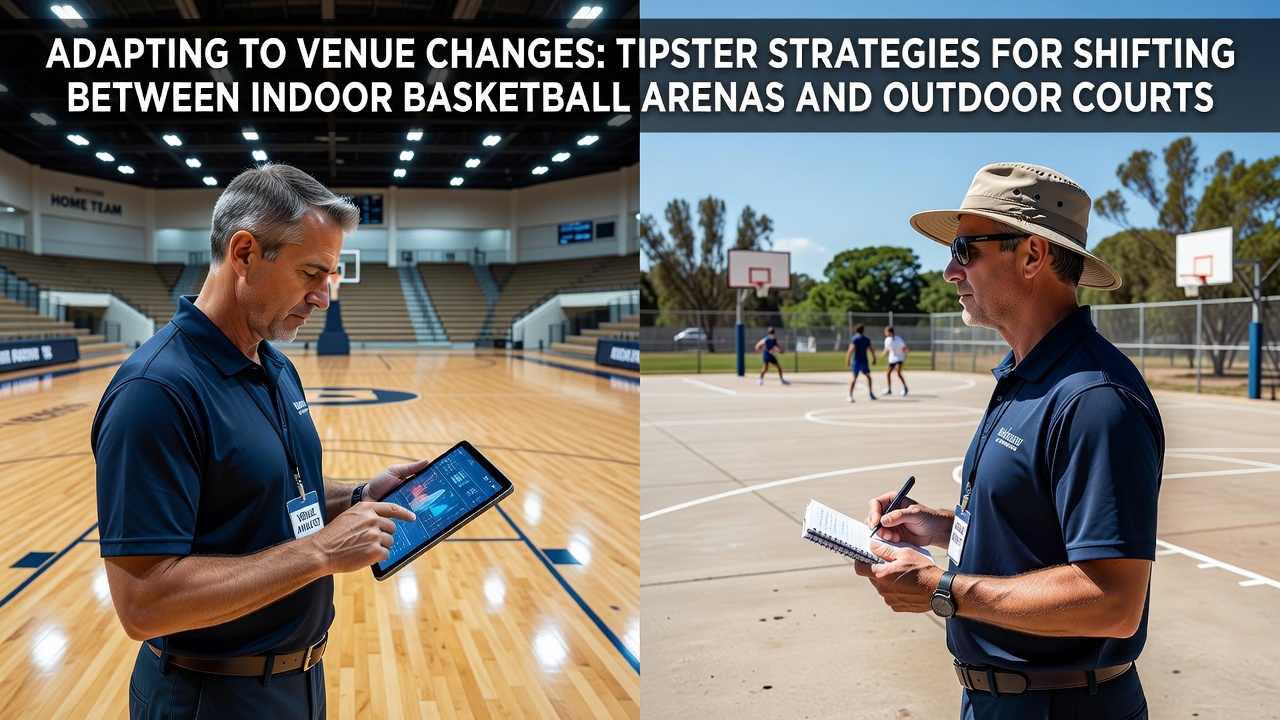
One documented case involved tipsters who shifted accumulator weightings during November 2026 circuits by reducing racing leg stakes when wind speeds exceeded thresholds, then compensating with additional basketball player performance metrics from evening arena games. This sequencing approach maintains accumulator integrity while accounting for venue-driven volatility without altering core selection criteria.
Sequential Strategies Across Venue Transitions
Accumulators that move from arena to circuit require temporal ordering so basketball results finalize before racing selections lock in, allowing tipsters to recalibrate based on live conditions. Experts have observed that successful practitioners maintain separate databases for arena metrics and circuit variables, then merge them through weighted algorithms that prioritize stability in controlled environments. Figures from regulatory bodies such as the NCAA confirm that indoor performance consistency supports early accumulator legs, whereas outdoor racing benefits from later placement once environmental data stabilizes.
Tipsters further refine these builds by monitoring cross-sport correlations, such as linking high-scoring basketball nights with favorable racing favorites when both occur under similar time-zone pressures. This method reduces exposure to isolated venue surprises and supports longer accumulator chains that span multiple days in November schedules.
Conclusion
Venue adaptation in accumulator construction centers on segmenting data by environmental control levels, applying real-time adjustments for outdoor variables, and sequencing selections to preserve overall structure. Those who track these patterns across indoor arenas and outdoor circuits continue to refine methods that align with seasonal calendars, including the November 2026 slate of events, where precise integration of arena and circuit factors determines accumulator viability.